Building Survey in Tuebrook and Old Swan, Liverpool (L13): What Buyers Need to Know
The L13 postcode — covering Tuebrook, Old Swan, and Broadgreen — is one of Liverpool's most active property markets. Offering relatively affordable prices, good transport links, and a strong community feel, L13 attracts first-time buyers, growing families, and investors in significant numbers. But the area's housing stock is predominantly Victorian and Edwardian, and that means a professional survey is not just advisable — it's essential.
JGL Associates provide RICS Level 2 and Level 3 surveys across L13 and the wider Liverpool area. Here's what buyers in Tuebrook and Old Swan need to know.
The Housing Stock in L13
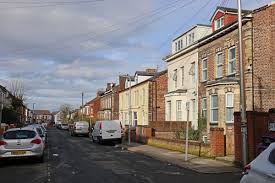
L13 is characterised by dense streets of Victorian and Edwardian terraced housing, the vast majority of which dates from the 1880s through to the 1920s. The area developed rapidly during Liverpool's late Victorian expansion, and many of the streets in Tuebrook and Old Swan retain their original character — bay-fronted brick terraces, slate roofs, and original timber sash windows.
There is also a smaller proportion of inter-war and post-war housing in parts of L13, particularly towards Broadgreen, as well as some converted flats in larger Edwardian properties. However, the terrace is the defining property type of this postcode, and it comes with very specific survey considerations.
What Surveyors Commonly Find in L13 Properties
Victorian and Edwardian terraces in Tuebrook and Old Swan were built to last — and many of them have — but 100 or more years of weathering, use, and often piecemeal maintenance means defects are common. Based on our survey work across L13, these are the issues we most frequently identify.
Damp is the most prevalent issue in L13 properties. Rising damp is common in properties built without a damp proof course, and penetrating damp caused by defective pointing, cracked render, or blocked rainwater goods is found regularly. Poorly ventilated rear additions and ground floor extensions are also common sources of damp problems.
Roof condition is another key area of concern. Original Welsh slate roofs, where still present, can perform well but are often at or beyond the end of their serviceable life, with missing or slipped slates, failed leadwork, and deteriorating mortar bedding to ridge tiles and verges. Many L13 properties have had their original slate replaced with concrete interlocking tiles, which can introduce structural loading issues if the roof timbers weren't assessed beforehand.
Chimney stacks are a frequent source of both structural and damp-related defects in L13 terraces. Spalled brickwork, failed flashings, and unsealed redundant flues are all common findings that can allow water ingress if left unaddressed.
Rear extensions and outriggers are a feature of many L13 terraces, often built in the Victorian or Edwardian period as a kitchen or bathroom addition. These lower-roof extensions are a common source of damp, particularly where flat or shallow-pitch felt roofs have been added as replacements for the original covering.
Timber defects including woodworm, wet rot in ground floor joists, and decay in original window frames are also regularly identified, particularly where properties have been vacant or poorly maintained.
Which Survey Do I Need for an L13 Property?
For the majority of Victorian and Edwardian terraced houses in Tuebrook and Old Swan, a RICS Level 3 Building Survey is the appropriate choice. Given the age of the housing stock and the prevalence of the defect types described above, a comprehensive assessment is warranted. A Level 3 Building Survey provides a detailed inspection of all accessible elements of the property, identifies defects, explains their cause and severity, and gives recommendations for remediation.
A RICS Level 2 Homebuyer Survey may be appropriate for inter-war or post-war properties in L13 that appear to be in good condition and have not been significantly altered. If you are unsure which level of survey is right for the property you are buying, get in touch and we will be happy to advise.
Why Getting a Survey in L13 Matters
L13 is a competitive market and buyers can feel pressure to move quickly. It's not unusual for properties in Tuebrook and Old Swan to receive multiple offers, and in that environment, some buyers are tempted to skip or downgrade their survey to speed up the process. This is a significant risk with housing stock of this age.
A survey that identifies £8,000 of roof work, failed damp proofing, or structural movement in a chimney breast gives you options — to renegotiate the price, to request the seller carries out repairs, or simply to make an informed decision about whether to proceed. Without that information, you take on those costs unknowingly at the point of completion.
Get in Touch
JGL Associates are a RICS regulated firm based in West Derby, Liverpool. Our surveyor is a Chartered Building Engineer and RICS registered surveyor providing independent, impartial survey reports across L13 and the wider Merseyside area.
To arrange a survey in Tuebrook, Old Swan, or Broadgreen, or to discuss which survey is right for your property, contact us today. You can also find out more about our survey types or read our guide to RICS Level 2 vs Level 3 surveys.