
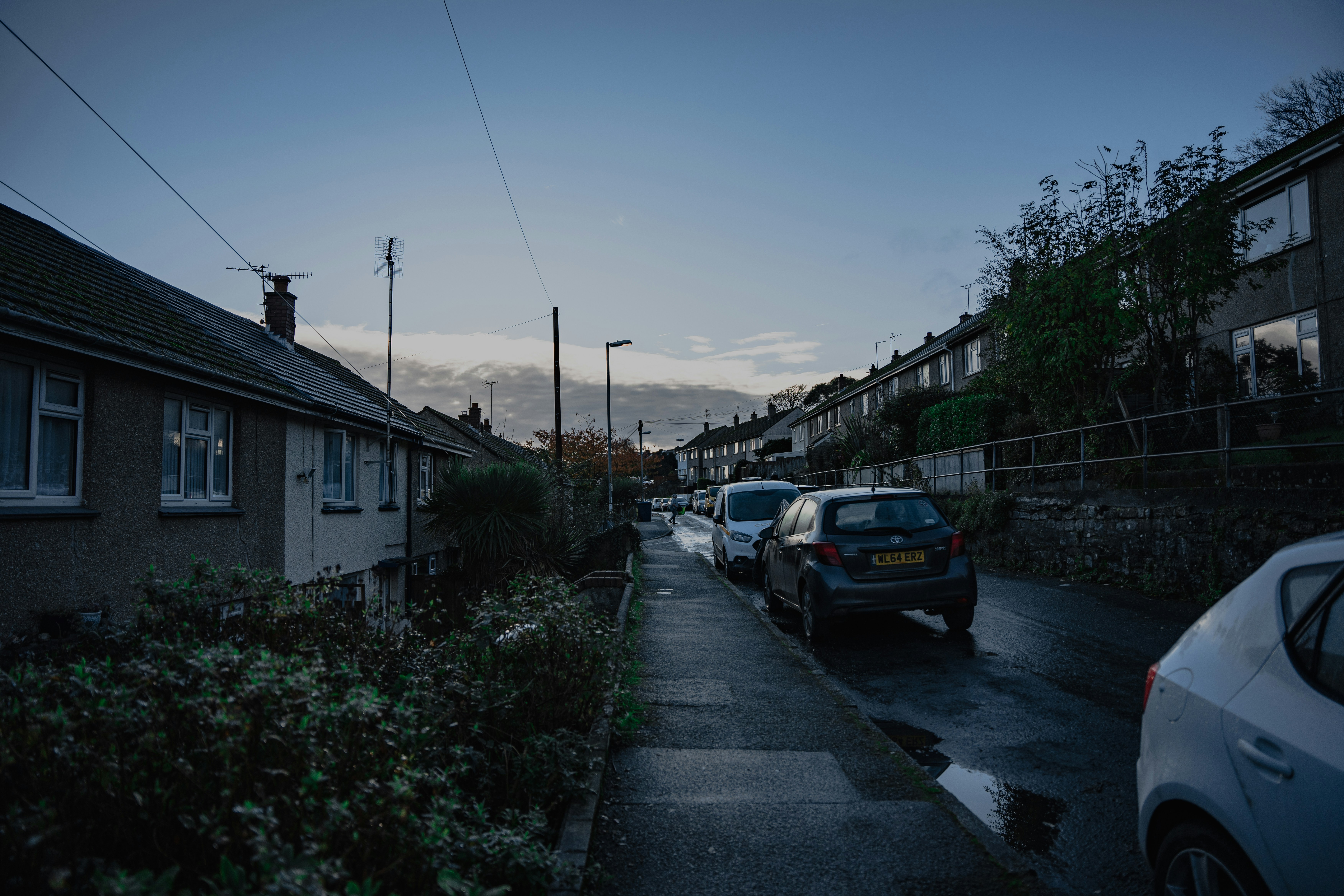
Victorian Terraced House Survey: What to Look for in Liverpool
Liverpool has one of the most impressive stocks of Victorian terraced housing in the UK. From the grand red-brick terraces of Toxteth and Aigburth to the more modest two-up two-down properties of Wavertree and Kensington, these properties are hugely popular with buyers for their character, space, and relatively affordable prices.
But Victorian terraces — typically built between 1837 and 1901 — come with their own unique set of challenges. If you're buying one, understanding what a surveyor looks for is essential. Here's your guide from JGL Associates, your local RICS regulated Liverpool building surveyor.
Why Victorian Terraces Need a Level 3 Building Survey
First things first: if you're buying a Victorian terraced house in Liverpool, a RICS Level 3 Building Survey is almost always the right choice. Victorian properties are over 100 years old, and while many have been well maintained, they were built using materials and methods that are now considered obsolete — and they can hide a wide range of problems that simply won't be visible during a viewing.
A Level 2 Homebuyer Survey may be appropriate for a Victorian terrace that has been recently and thoroughly renovated, but for most older properties in original or partially modernised condition, a Level 3 survey provides the depth of investigation you need.
Key Issues Surveyors Look for in Liverpool Victorian Terraces
Damp
Damp is one of the most common issues found in Victorian properties and takes several forms. Rising damp occurs where moisture from the ground travels up through walls — many Victorian terraces were built without a damp proof course, or with one that has since failed. Penetrating damp can enter through defective pointing, failed window seals, damaged roofs, or leaking gutters. Condensation damp is also common, particularly in properties that have been poorly ventilated or heavily insulated without adequate air circulation.
A good surveyor will assess all accessible walls, floors and ceilings for signs of damp and advise on the likely cause and remediation required.
Roof Condition
Victorian terraces typically feature slate roofs which, when well maintained, can last for well over a century. However, individual slates slip and break over time, lead flashings deteriorate, and the timber roof structure beneath can be affected by rot or woodworm. Chimney stacks — a common feature of Liverpool terraces — require regular repointing and can be a significant source of water ingress if neglected.
A surveyor will inspect the roof covering, chimney stacks, gutters, and any flat roof elements for signs of deterioration or failure.
Structural Movement
Some degree of movement is normal in any property over 100 years old. However, a surveyor needs to distinguish between historic, stable movement and active or progressive movement that poses a risk to the property's structural integrity. Cracks in external brickwork, distorted door frames, sloping floors, and bowing walls can all indicate movement that warrants further investigation.
Liverpool's varied soil conditions and proximity to the water table in some areas can contribute to subsidence and heave, making structural assessment particularly important.
Brickwork and Pointing
Victorian brickwork was typically built with lime mortar, which is softer and more flexible than modern cement-based mortars. A common problem arises when well-meaning renovation work replaces lime mortar with hard cement — this can trap moisture in the brickwork and lead to spalling (where the face of bricks breaks away), cracking, and accelerated deterioration. A surveyor will assess the condition of pointing and the brickwork itself.
Timber
Victorian properties feature extensive use of timber — in floors, roof structures, staircases, and window frames. Surveyors check accessible timbers for signs of rot (wet rot and dry rot) and woodworm infestation. Dry rot in particular can spread rapidly through a property if left unchecked and can be expensive to treat.
Services
The electrical installation, plumbing and drainage in Victorian properties are frequently outdated. Many have been upgraded over the decades, but it's not uncommon to find aluminium wiring, outdated consumer units, lead pipework, or inadequate drainage that doesn't meet modern standards. A surveyor will carry out a visual inspection of accessible services and recommend specialist testing where appropriate.
Should I Still Buy a Victorian Terrace if Issues Are Found?
Finding issues in a Victorian terrace doesn't necessarily mean walking away. Many buyers use survey findings to negotiate a reduction in the purchase price to reflect the cost of required works, or to request that the seller carries out specific repairs before completion.
The key is having the right information before you commit. A thorough survey from JGL Associates gives you exactly that — a clear, honest picture of the property's condition so you can make a fully informed decision.
Get a Survey on Your Liverpool Victorian Terrace
JGL Associates are a RICS regulated building surveying firm based in Liverpool, specialising in residential property surveys across Merseyside. All surveys are personally carried out by James Lindsey MCABE AssocRICS MRPSA, with over two decades of experience assessing Liverpool's diverse housing stock.
To arrange a Level 3 Building Survey or Level 2 Homebuyer Survey on your Liverpool Victorian terrace, contact us today for a no-obligation quote.